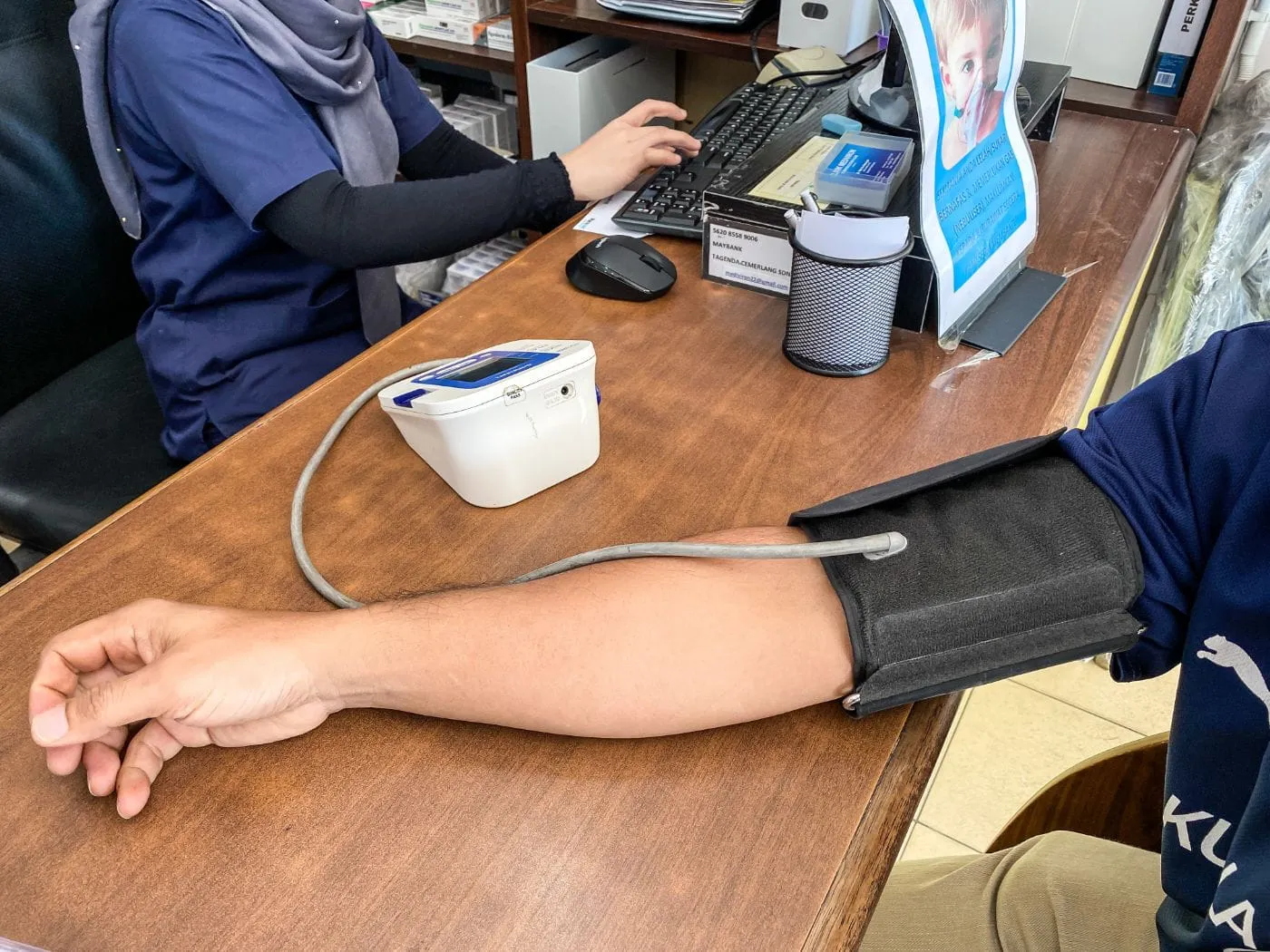
















Bacaan darah tinggi yang tidak dikesan atau tidak terkawal pada usia muda boleh meningkatkan risiko kerosakan salur darah dan organ penting. Dalam keadaan serius, hipertensi boleh menyumbang kepada strok, serangan jantung, kegagalan jantung dan kerosakan buah pinggang yang berpotensi membawa kepada kematian pramatang.

Jaminan Produk Asli 100%
Info Kesihatan
Alat Kesihatan
Alat Kesihatan
Saringan Kuat Zat Besi

Ujian Kesihatan Mental
Saringan Risiko Kemurungan Selepas Bersalin
Vaksinasi Dewasa
Graf Tumbesaran Kanak-Kanak
Ujian Kulit Sensitif
Lihat Semua Alat Kesihatan
Alat Kesihatan Kegemaran

Kalkulator Indeks Jisim Badan (BMI)
Calculate your Body Mass Index (BMI) using the following tools
Lihat Lebih Lagi

Kalkulator Kesuburan
Mari ikuti perkembangan kitaran kesuburan anda dengan alatan mudah ini!
Lihat Lebih Lagi

Kalkulator Tarikh Bersalin
Gunakan alat ini untuk mengira bilakah jangkaan tarikh bersalin anda!
Lihat Lebih Lagi

Komuniti
Posting Utama
Lihat LagiBooking Doktor
Umur Baru 20-an, 30-an Tapi Darah Dah Tinggi? Jangan Ingat Orang Muda Tak Berisiko
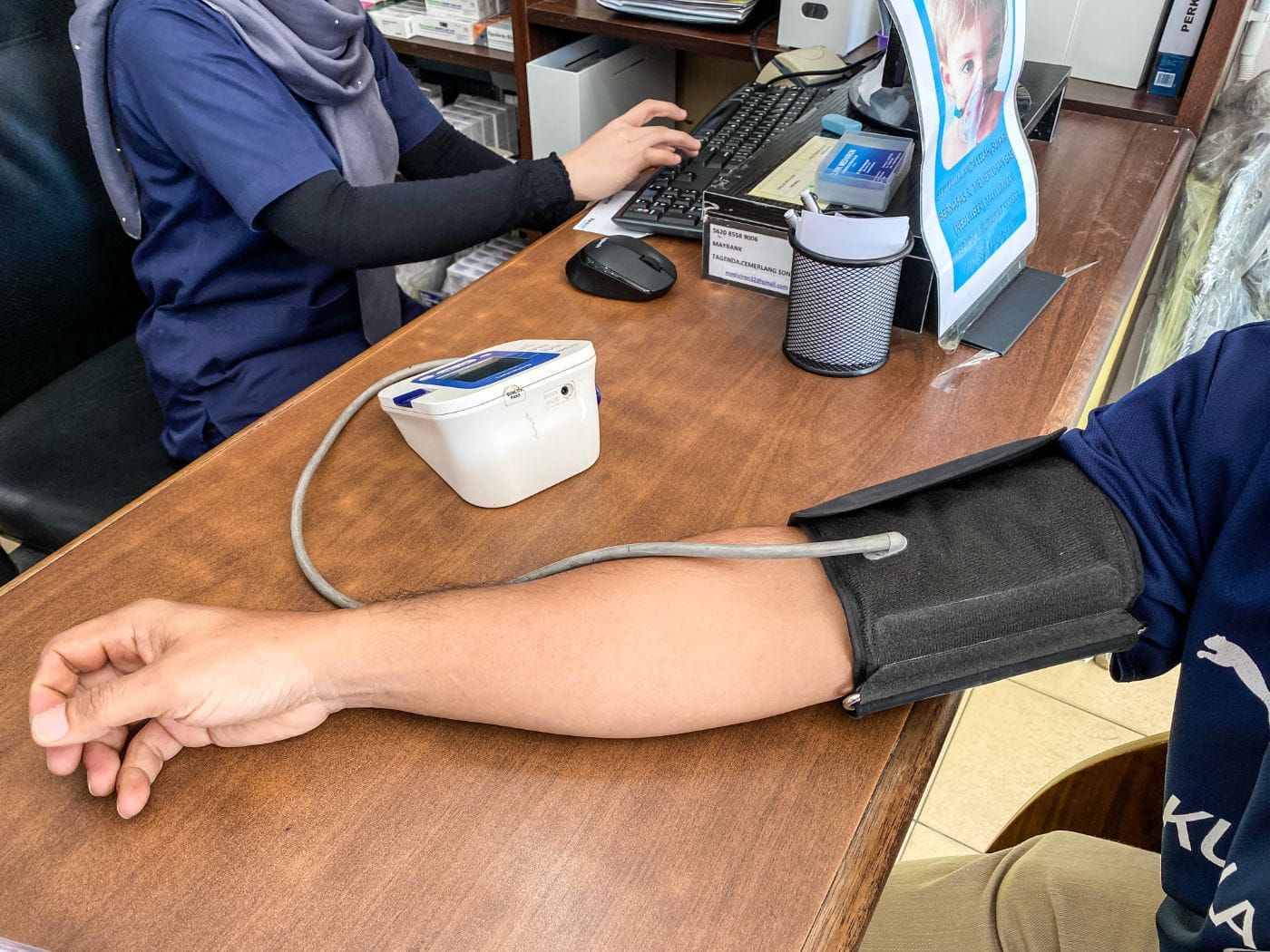
Persoalannya, mengapa keadaan yang sering dikaitkan dengan golongan lebih berusia ini turut boleh mendatangkan bahaya kepada orang muda?
Untuk mendapatkan lebih banyak info tentang Kesihatan Jantung, sila dapatkannya di sini.
Tekanan darah tinggi boleh membawa maut pada usia muda?
Tekanan darah tinggi berlaku apabila tekanan dalam salur darah kekal terlalu tinggi. Masalahnya, seseorang mungkin tidak mengalami sebarang gejala walaupun tekanan darah sudah meningkat.
Sebab itu, hipertensi sering tidak disedari tanpa pemeriksaan.
Apabila bacaan darah tinggi tidak dikawal untuk tempoh yang panjang, tekanan berlebihan boleh merosakkan salur darah dan meningkatkan risiko komplikasi serius seperti:
- Strok akibat salur darah otak tersumbat atau pecah,
- Serangan jantung,
- Kegagalan jantung,
- Kerosakan buah pinggang,
- Gangguan irama jantung yang dalam keadaan tertentu boleh menyebabkan kematian mengejut.
Risiko hipertensi pula boleh dipengaruhi faktor seperti genetik, berat badan berlebihan atau obesiti, kurang aktiviti fizikal, pengambilan garam berlebihan, penggunaan tembakau dan penyakit seperti diabetes atau penyakit buah pinggang.
Bacaan darah normal berapa?
Secara umum, bacaan darah normal bagi orang dewasa adalah sekitar atau di bawah 120/80 mmHg. Namun, diagnosis hipertensi tidak sepatutnya dibuat berdasarkan satu ukuran sahaja.
WHO menetapkan hipertensi apabila tekanan sistolik ialah ≥140 mmHg dan/atau diastolik ≥90 mmHg, dengan bacaan tersebut dikesan pada dua hari berbeza.
Jadi, satu bacaan darah tinggi ketika sedang stres, sakit atau selepas melakukan aktiviti tertentu belum semestinya bermaksud seseorang menghidap hipertensi.
Berapa bacaan darah tinggi yang perlu dibimbangkan?
Jika anda tertanya-tanya berapa bacaan darah tinggi, angka 140/90 mmHg atau lebih memerlukan penilaian lanjut, terutamanya jika bacaan kekal tinggi apabila diukur berulang kali.
| Bacaan | Sistolik | Diastolik |
|---|---|---|
| Normal | <120 mmHg | <80 mmHg |
| Hipertensi* | ≥140 mmHg | dan/atau ≥90 mmHg |
| Sangat tinggi | >180 mmHg | dan/atau >120 mmHg |
*Diagnosis perlu dibuat oleh profesional kesihatan berdasarkan pengukuran yang sesuai.
Bacaan darah tinggi melebihi 180/120 mmHg memerlukan perhatian segera.
Jika bacaan kekal setinggi ini dan disertai sakit dada, sesak nafas, kebas atau lemah anggota badan, perubahan penglihatan atau kesukaran bercakap, ia boleh menandakan kecemasan hipertensi.
Bacaan darah tinggi mengikut umur, adakah berbeza?
Ramai menganggap bacaan darah tinggi mengikut umur bermaksud tekanan darah yang tinggi menjadi “normal” apabila seseorang semakin berusia. Anggapan ini boleh mengelirukan.
Walaupun risiko hipertensi meningkat seiring pertambahan usia, usia yang lebih tua tidak bermaksud seseorang sepatutnya membiarkan bacaan darah tinggi tanpa rawatan.
Malah, WHO menyenaraikan peningkatan usia sebagai salah satu faktor risiko hipertensi.
Orang muda juga boleh mengalami hipertensi.
Oleh itu, bacaan yang tinggi secara berulang pada usia 20-an atau 30-an tidak patut diabaikan hanya kerana individu tersebut masih muda.
Apa maksud bacaan darah tinggi atas dan bawah?
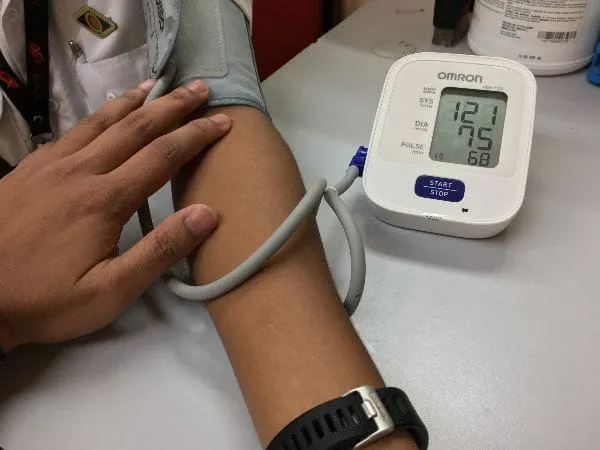
Bacaan darah tinggi atas dan bawah merujuk kepada dua nombor yang dipaparkan oleh alat pengukur tekanan darah.
Sebagai contoh, bagi bacaan 150/95 mmHg:
- 150 mmHg (sistolik/atas) – tekanan ketika jantung mengecut dan mengepam darah.
- 95 mmHg (diastolik/bawah) – tekanan dalam salur darah ketika jantung berehat antara denyutan.
Kedua-duanya penting. Seseorang boleh memenuhi kriteria hipertensi jika nombor atas mencapai ≥140 mmHg atau nombor bawah mencapai ≥90 mmHg secara berterusan.
Bagaimana pula dengan bacaan darah rendah?
Bacaan darah rendah atau hipotensi merupakan keadaan berbeza daripada hipertensi.
Tidak semua tekanan darah yang rendah berbahaya, terutama jika individu tidak mengalami gejala.
Namun, tekanan yang terlalu rendah sehingga mengurangkan aliran darah ke organ boleh menyebabkan pening, pitam atau masalah lain dan memerlukan penilaian perubatan, khususnya jika berlaku secara tiba-tiba atau disertai gejala.
Justeru, matlamatnya bukan sekadar mendapatkan angka tekanan darah “serendah mungkin”, sebaliknya memastikan ia berada dalam julat yang sesuai dengan keadaan kesihatan individu.
Jangan tunggu usia meningkat untuk periksa tekanan darah
Bahaya tekanan darah tinggi pada usia muda ialah ia boleh berlaku tanpa amaran yang jelas.
Seseorang mungkin berasa sihat sedangkan tekanan darah kekal tinggi dan secara beransur-ansur meningkatkan beban terhadap jantung, otak, salur darah serta buah pinggang.
Pemeriksaan berkala, pengurangan pengambilan garam, aktiviti fizikal, mengekalkan berat badan sihat, tidak merokok dan mengambil ubat seperti diarahkan doktor merupakan antara langkah penting dalam mengawal hipertensi.
Pada usia muda, angka pada mesin tekanan darah mungkin kelihatan seperti dua nombor biasa.
Namun, mengetahui dan mengambil tindakan terhadap bacaan darah tinggi lebih awal boleh membantu mencegah kerosakan organ yang terkumpul selama bertahun-tahun serta mengurangkan risiko komplikasi kardiovaskular yang serius.
Penafian
Hello Health Group tidak menawarkan nasihat perubatan, diagnosis atau rawatan.
What Is High Blood Pressure?. https://www.nhlbi.nih.gov/health/high-blood-pressure. Diakses September 17, 2026.
About High Blood Pressure. https://www.cdc.gov/high-blood-pressure/about/index.html. Diakses September 17, 2026.
Managing High Blood Pressure. https://www.cdc.gov/high-blood-pressure/living-with/index.html. Diakses September 17, 2026.
High Blood Pressure. https://medlineplus.gov/highbloodpressure.html. Diakses September 17, 2026.
High Blood Pressure. https://www.nutrition.gov/topics/diet-and-health-conditions/high-blood-pressure. Diakses September 17, 2026.
Versi Terbaru
17/09/2026
Ditulis oleh Muhammad Wa'iz
Disemak secara perubatan oleh Panel Perubatan Hello Doktor
Diperbaharui oleh: Annes Nadia


Disemak secara perubatan oleh
Panel Perubatan Hello Doktor
 Iklan
IklanAdakah artikel ini bermanfaat?
IklanIklan